William C.G. Hodge
Incidentally: portraits of the famous, infamous and unknown
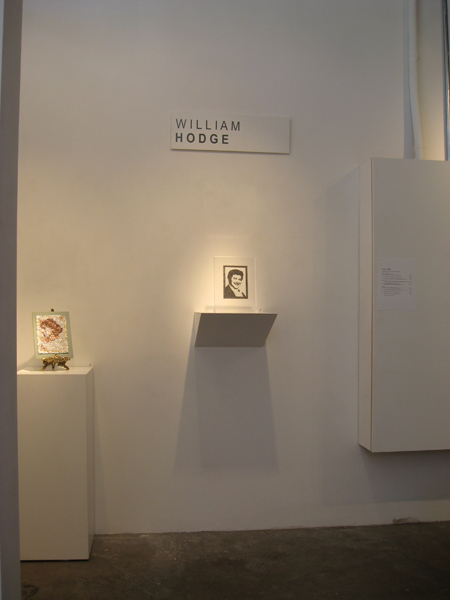
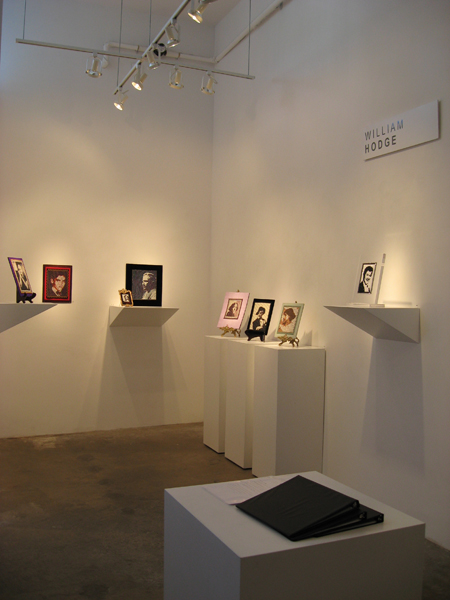
June 17 – July 11, 2010
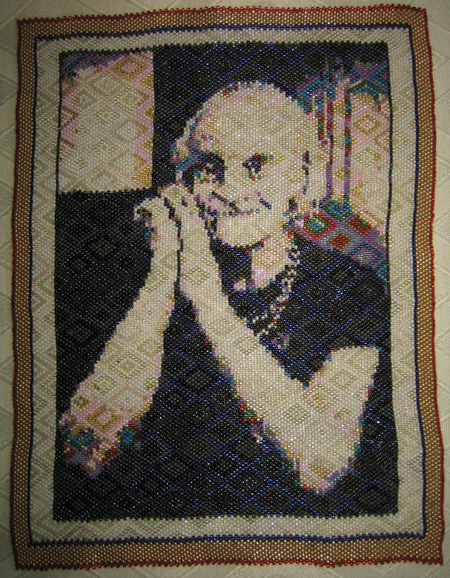
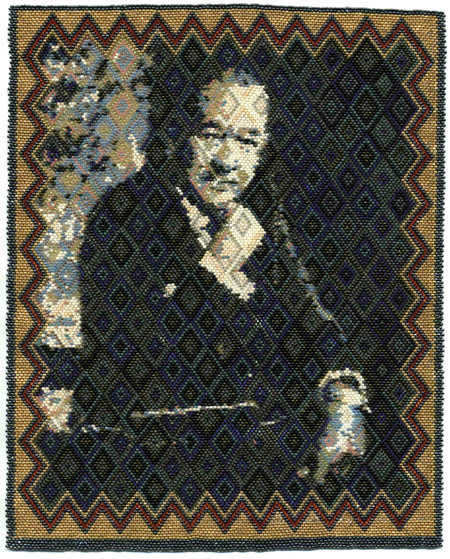
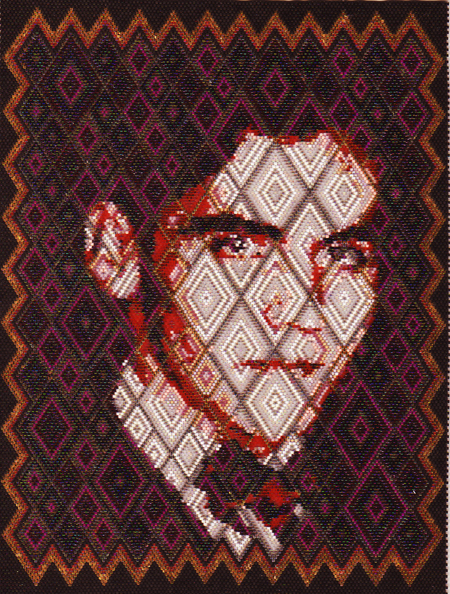
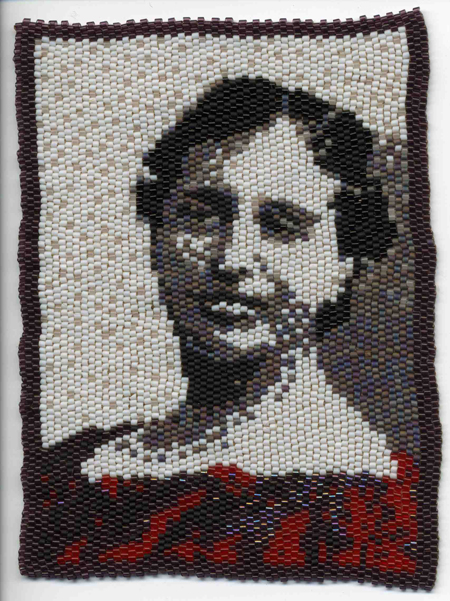
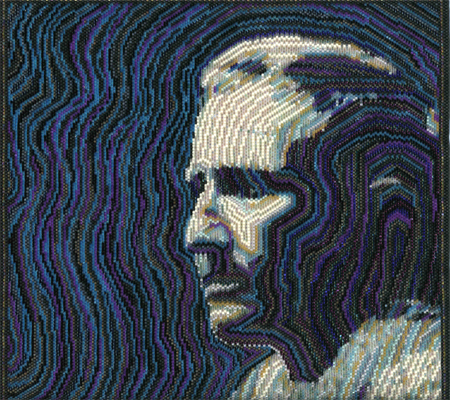
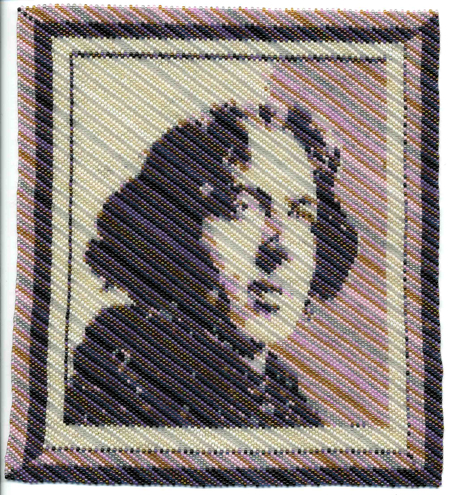
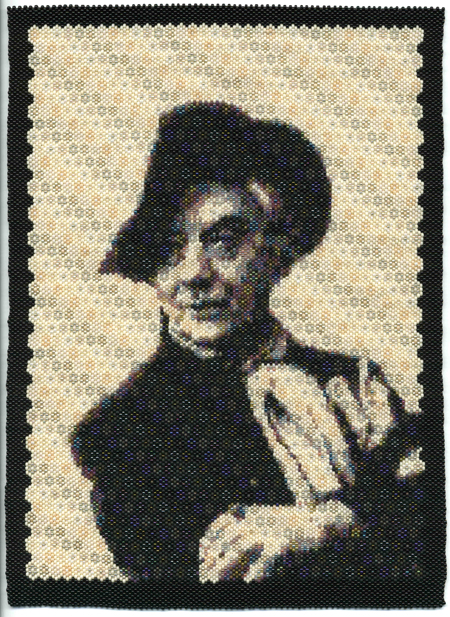
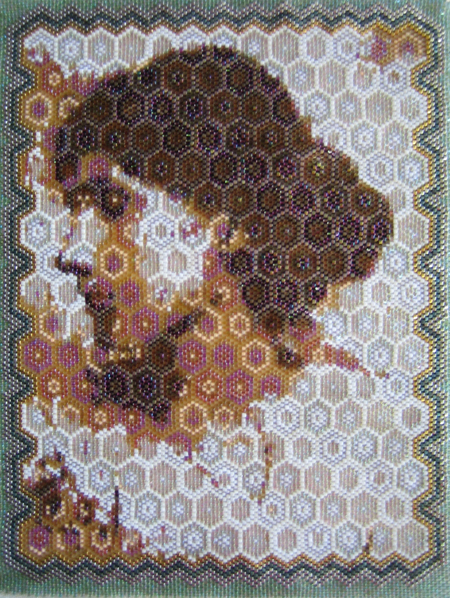
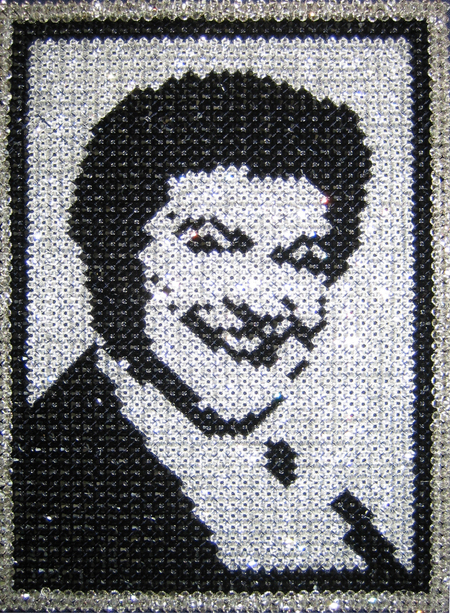
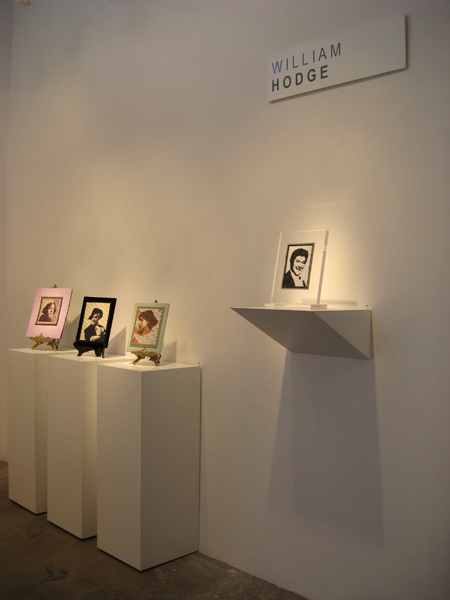
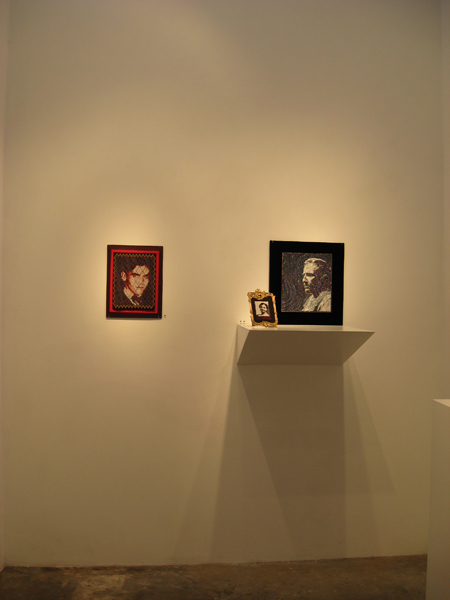
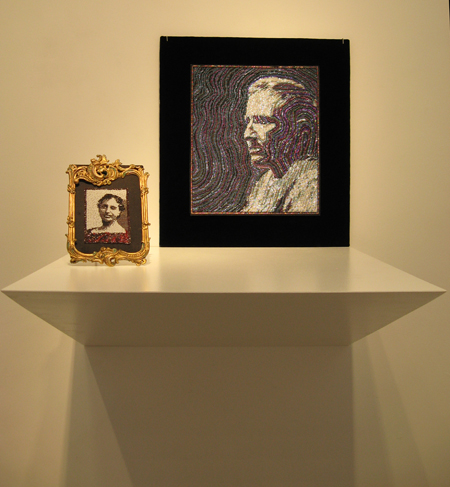
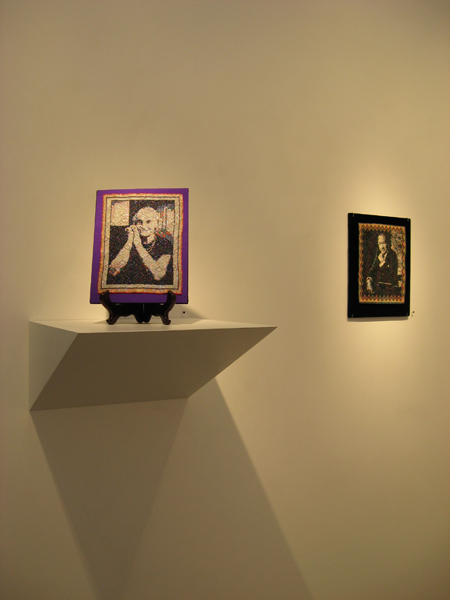
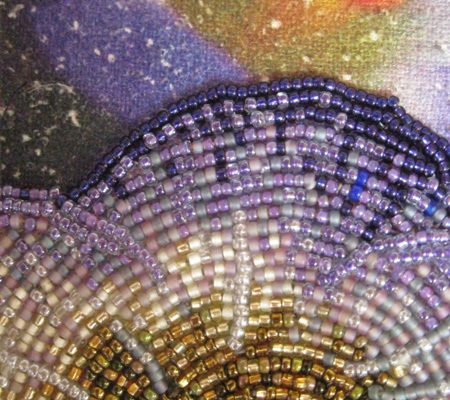
This exhibition has grown out of my interest in the alternative use of glass beads. I was fascinated by the possibility of using colour value and pattern with the glass in a process typically used with paint. The first portraits involved just text in the beads and then later, I did a self-portrait. The first in this current style, a portrait of the Mexican artist Frida Kahlo, was for an exhibition in 1998 at the McLaren Barnes gallery in Oakville, Ontario. My satisfaction with that piece encouraged me to consider more portrait images.
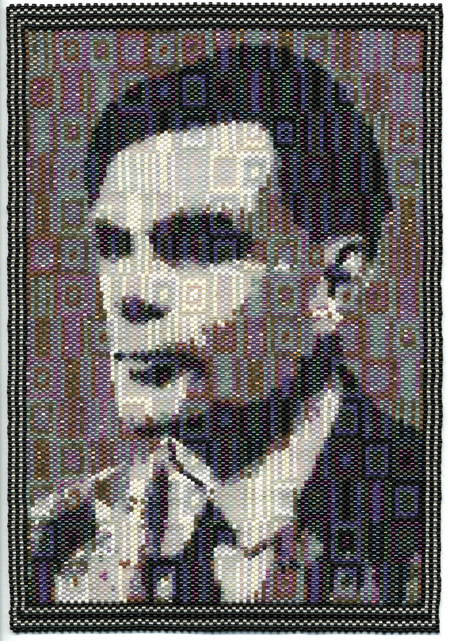
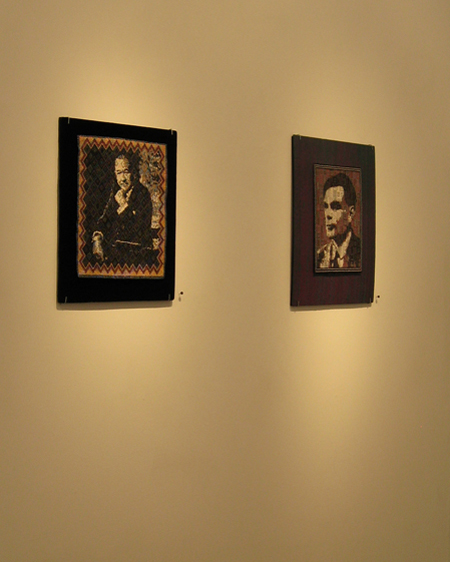
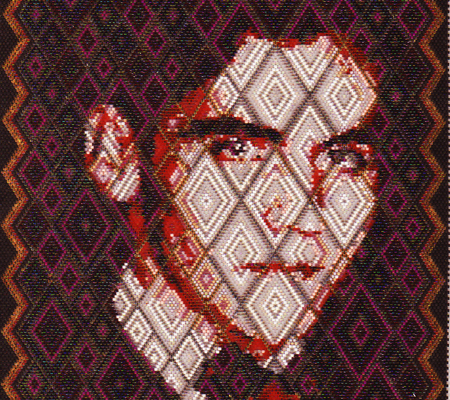
My problem became just who to do. I started by making a list of possible people and built a list of about thirty names of interest to me. At this point it was a very diverse list of living, and past personalities. When I looked at that list I found it interesting that a vast majority of the people had lived alternate lives – gay, lesbian, transgender, etc. so I decided to limit my work to these people. Some are notorious – Oscar Wilde and Gertrude Stein. Others are perhaps less obvious such as Virginia Woolf and Noel Coward because they never discussed publicly their private life. Others like Alan Turing and Charlotte von Malsdorf have only recently become better known.
I researched their lives, accomplishments, and in many cases, their deaths. Some of the stories are very sad, some extraordinary, but all fascinating. Each, I felt, rang true to me and I felt a sort of kinship, and so the list was made.
Each piece took from a few weeks up to six months to produce. I have been working with beads for many years now and it struck me as an appropriate media for the work. One important issue with beads is the addictive nature of the work. The material itself is very sensuous, the colours mysterious and the physical actions pleasurable. I have found working with the beads to be fascinating and constantly surprising. The impressionists, particularly the pointillists, have heavily influenced my past work. The dots of coloured glass was a natural extension to previous works, from painting styles to woven tapestries and cloth. Working with the double images allowed me to add extra significance to each portrait. The most complex being Alan Turing as the background forms his name in stylized binary code. The slowness of the technique allowed me to dwell on each character and think about them as I did the work. Working with beads is somewhat like watching an inkjet printer; it works line by line slowly revealing the image. With the portraits, it is only when the eyes come into the piece that I would know if I succeeded or not with that particular image. Many had to be executed more that once to get the image, and feeling, the way I wanted.
It is my hope that the spectator will be able to appreciate my fascination and interest in each of these portraits.